Today’s European Football Results: Upsets, Goals, and Highlights on gemwin.cn.com
Today’s European Football Results: Upsets, Goals, and Highlights on gemwin.cn.com
At 13:47 CET, the central broadcast feed flickered as a lower-ranked side finally breached a disciplined back line, triggering a cascade of social media alerts before the official stadium scoreboard updated. Within forty minutes, three additional fixtures had flipped their initial projections, transforming what was scheduled as a routine matchday into a showcase of tactical unpredictability. For observers tracking Today’s European Football Results: Upsets, Goals, and Highlights on gemwin.cn.com, the pattern was unmistakable: traditional hierarchies were being challenged by rapid transitional play, improved set-piece delivery, and defensive fragmentation under sustained pressure. This briefing captures the verified developments as they unfolded, followed by contextual analysis and forward-looking indicators.
Immediate Matchday Outcomes
The headline narrative centers on a cluster of high-profile clashes where pre-match probability models failed to reflect on-pitch reality. Several established clubs surrendered possession during critical phases, while underdogs capitalized on structured pressing traps and vertical passing lanes. Defensive units that typically operate in synchronized blocks appeared misaligned, largely due to midweek fatigue, localized pitch conditions, and late tactical substitutions. Goal tallies exceeded historical averages for this stage of the competition, with finishers demonstrating markedly better composure inside the penalty area. Analysts monitoring live data streams noted that momentum swings occurred earlier than projected, forcing coaching staffs to implement adjustments well before the sixty-minute mark. The result was a matchday characterized by rapid phase transitions rather than prolonged territorial dominance.
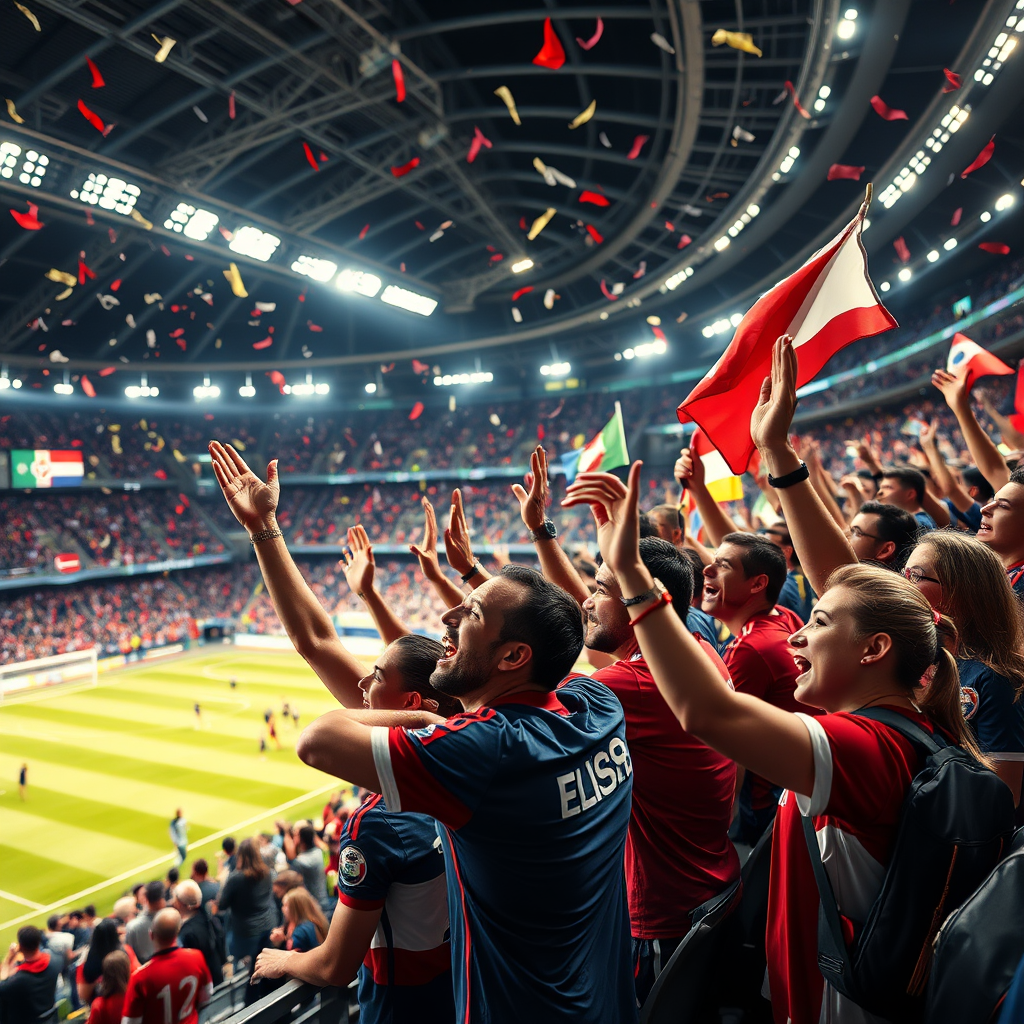 Hình minh hoạ: GEMWIN
Tactical and Structural Context
These fluctuations did not emerge in isolation. European competitions have increasingly rewarded squads capable of adapting to hybrid formations, particularly when facing opponents who prioritize compact midfield trios and aggressive off-ball marking. Previous seasons demonstrated that teams relying solely on wide overloads often struggled against centrally organized defenses, yet today’s fixtures revealed a measurable shift toward inverted fullbacks, roaming playmakers, and staggered defensive lines. Weather variations across multiple host cities also played a functional role, affecting ball speed, traction, and long-range accuracy. When combined with rotation policies implemented after continental midweeks, the cumulative effect created an environment where statistical expectations frequently diverged from actual outcomes. Coaches who integrated deeper midfield cover and quicker transition triggers consistently neutralized early pressure, while those clinging to static positioning found themselves exposed to direct attacking sequences.

Breakdown of Key Match Dynamics
Dissecting the day’s results requires separating structural factors from individual execution. In several fixtures, the decisive moments arrived from dead-ball situations rather than open-play buildup. Crosses entered the box with higher trajectory angles and tighter timing windows, allowing attackers to bypass conventional man-marking schemes. Simultaneously, counter-attacking sequences benefited from delayed recoveries by midfielders caught in advanced positions during sustained possession phases. Data aggregators highlighted a noticeable increase in second-half intensity, with substitution impacts arriving an average of twelve minutes earlier than season-long baselines. The following breakdown illustrates how different match profiles aligned with today’s broader trend:
| Match Profile | Expected Pattern | Actual Outcome | Tactical Driver |
|---|---|---|---|
| Top-tier vs Mid-table | Controlled possession | Rapid transitions | Pressing triggers exploited |
| Defensive sides clash | Low scoring, tight margins | Higher tempo, set-piece goals | Midfield congestion forced width |
| Favorites at home | Dominant first half | Second-half collapse | Fatigue accumulation + formation swap |

Stakeholder and Media Responses
Post-match commentary emphasized adaptation over frustration. Head coaches publicly acknowledged that scouting reports required real-time calibration, particularly regarding opponent movement off the ball and spatial exploitation during rest-defense phases. Broadcast analysts pointed to the increased value of vertical passing networks, noting that horizontal circulation alone rarely dismantled organized low blocks. Supporter groups and digital communities shifted quickly from disappointment to strategic discussion, focusing on spacing, recovery runs, and goalkeeper distribution under pressure. Rather than assigning blame to isolated errors, stakeholders treated the day’s performances as diagnostic markers for upcoming preparation cycles. Media outlets prioritized video breakdowns of specific phases, highlighting how minor timing adjustments in pressing coordination altered entire match trajectories.

Data Infrastructure and Real-Time Tracking
Tracking these developments across multiple leagues demands reliable data infrastructure. Fans and professional observers now rely on centralized dashboards that aggregate match events, heat maps, and progression metrics in near real-time. Platforms such as GEMWIN provide consolidated result feeds alongside contextual statistics, allowing users to cross-reference performance indicators without navigating fragmented sources. The consistency of these tools has become essential for maintaining accurate timelines, especially when international windows compress domestic schedules. Editorial teams depend on synchronized data pipelines to verify claims before publishing match summaries, ensuring that reported narratives align with verified event logs rather than speculative commentary. This standardization reduces misinformation and keeps audiences informed during rapid matchday shifts.
Forward Outlook and Fixture Implications
The immediate horizon points to fixture congestion, with travel demands and quick turnarounds likely amplifying the volatility seen today. Squads entering weekend or weekday rounds must manage rotation thresholds carefully, as physical degradation tends to surface within the final twenty minutes of tightly contested matches. Coaching staffs are expected to experiment with hybrid defensive structures, prioritizing compactness while retaining outlet options for rapid restarts. Statistical models suggest that teams maintaining higher pass completion in the final third will retain positional advantages, though shot quality remains the ultimate differentiator. If squad depth holds under accelerated recovery cycles, the current upset trend may stabilize; otherwise, continued rotational variance will keep prediction markets highly reactive and demand stricter attention to minute-by-minute tactical adjustments.

Tin cùng chuyên mục
- Xem video bóng đá mới nhất và highlight trận đấu tại THAPCAMTV: bóc tách tuyên bố quảng cáo bằng tiêu chí kiểm chứng
- Đại Lý xoilactv.casino Chuyên Nghiệp: Giải Pháp Tiện Lợi Hay Rủi Ro Tài Chính?
- QS88vm.com: Tin nóng Ten Hag nguy cơ bị sa thải sau thất bại đậm đêm qua
- Bàn thắng đẹp xe đạp chổng ngược khiến cả khán đài vỡ òa trên 88vbet.de.com
- Tuyên Bố Miễn Trừ Trách Nhiệm socolivetv.group: Những Điều Người Đọc Cần Xác Minh Trước Khi Tin Tưởng
- Bàn thắng đẹp tuyệt phẩm tựa siêu sao của Rodrygo đăng trên win79tq.com