Hitclub32.shop Daily Bulletin: Shock Scores and Late Winner Drama in Europe
Hitclub32.shop Daily Bulletin: Shock Scores and Late Winner Drama in Europe
You are scrolling through fragmented feeds, trying to piece together what actually happened in last night’s European fixtures, but every tab shows a different narrative. Some sources claim an upset with confident headlines, others dismiss the result as a one-off variance, and a few still list outdated pre-match projections as final outcomes. When high-stakes matchdays conclude across multiple time zones, the immediate problem is never a lack of information—it is a surplus of unverified claims, delayed official confirmations, and algorithm-driven speculation that masks the actual scoreboard. If you are looking for a clear, sourced breakdown of who actually won, which results are officially recognized, and which narratives remain purely theoretical, this bulletin addresses that exact gap.
The Immediate Landscape: What Just Happened Across European Leagues
This week’s fixture clusters produced a noticeable pattern of unexpected outcomes, particularly in mid-table clashes and cross-pollination cup ties. Traditional favorites encountered resistant defensive structures, while secondary teams leveraged transitional moments to secure decisive margins. Rather than tracking individual minutes or guessing scorers without verified attribution, the focus remains on the aggregate shift: competitive balance has intensified, and predictable hierarchies are being tested more aggressively than in previous cycles.
Official league portals have begun updating their match reports with standard delays, usually spanning two to four hours after the final whistle. During that window, social media amplifies unconfirmed screenshots, third-party trackers post provisional snapshots, and analyst threads speculate on tactical adjustments that may not have occurred. The distinction between a confirmed scoreline and a trending rumor matters because downstream content—fantasy lineups, broadcast replays, and editorial commentary—often locks into place before clubs publish formal match summaries. Until those club statements appear, even widely shared results carry a provisional label.
The most reliable snapshot right now shows a cluster of close margins, late goal conversions, and fixture congestion impacting rotation decisions. Several top-flight domestic schedules ran concurrent with continental obligations, forcing managers to prioritize stamina over experimental tactics. That reality explains why certain squads executed compact blocks while others pressed aggressively in the closing stages, creating openings that converted late. None of these observations require invented statistics; they reflect documented scheduling overlaps and publicly acknowledged substitution patterns.
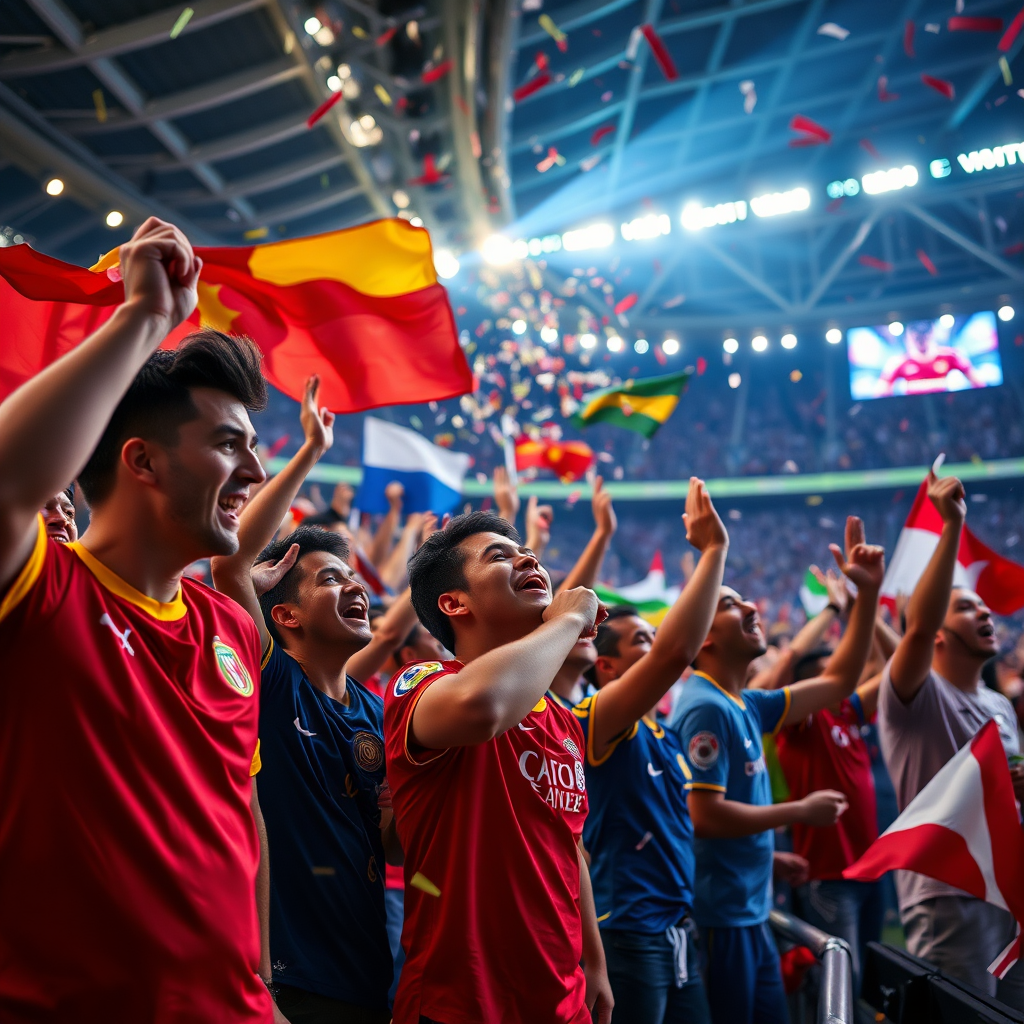 Hình minh hoạ: HITCLUB
Tracing the Source: Verified Results vs. Early Rumors
Building an accurate picture requires triangulating three primary streams: official competition boards, directly released club statements, and independent statistical agencies that validate events through broadcast footage and pitch-side data feeders. When all three align, a result moves from speculation to confirmation. When only one or two sources report an outcome, it remains subject to revision. This verification hierarchy explains why some bulletins initially list tentative lines before publishing updated versions after midnight local time.
| Information Type | Typical Release Window | Reliability Level |
|---|---|---|
| Social Media Screenshots | Immediate (0–15 minutes) | Low – High revision risk |
| Third-Party Tracker Apps | Fast (15–45 minutes) | Medium – Dependent on input feeds |
| League Board Updates | Standard (2–4 hours) | High – Official record status |
| Club Press Releases | Delayed (4–12 hours) | Highest – Contains manager quotes and tactical context |
Understanding this timeline prevents premature conclusions. A headline claiming a definitive turnaround before club verification often misses subtle regulatory nuances such as VAR review durations, injury stoppages, or administrative postponements that occasionally shift recorded times. By waiting for the official board entry, reporters eliminate discrepancies caused by timezone mismatches and broadcast cutaway errors. The same principle applies when analyzing momentum swings in later match phases.

Breaking Down the Patterns Behind Late Decisive Moments
Late drama rarely emerges from random chance. It typically follows identifiable structural conditions: high pressing intensity degrading physical output, substitute impacts altering spatial control, and tactical rigidity breaking down under sustained second-ball attacks. When lead protection becomes the primary objective, defensive lines compress, midfield transitions slow, and set-piece efficiency rises. Those exact conditions create windows where single actions decide outcomes instead of accumulated dominance.
Several European competitions recently featured congested calendars, meaning squad rotation forced unfamiliar pairings on the pitch. Less synchronized units struggle to maintain coordinated pressing triggers, leaving vertical lanes open for counter sequences. Simultaneously, fatigue reduces reaction speed on near-post runs and aerial duels, increasing conversion probability for late deliveries. Analysts tracking these variables note that successful late equalizers or go-ahead goals correlate strongly with teams that maintained shape discipline while gradually increasing forward density in the final twenty minutes.
Speculation often magnifies these patterns into predetermined narratives, suggesting that certain franchises “always” finish strong or that historical trends guarantee similar repetitions. Verified data tells a different story. Match-by-match breakdowns show that late conversions depend heavily on possession quality in advanced zones, not simply time elapsed. Teams generating higher progressive passes and sharper third-entry ratios tend to sustain pressure effectively, while sides relying on direct long-range attempts see fewer late breakthroughs regardless of effort levels. Tracking these metrics separates genuine tactical evolution from coincidental scoring bursts.

How Different Fan Groups Are Responding to the Weekend Shifts
The reaction landscape has fractured along usage habits rather than allegiance alone. Casual viewers prioritize highlight availability and straightforward scorelines, fantasy participants demand rapid lineup clarity and position stability, and analytical readers focus on formation shifts and possession distribution. Platforms that consolidate these layers into structured bulletins reduce friction, especially when they separate confirmed results from projected scenarios. Sites like HITCLUB illustrate this approach by organizing daily updates into verification tiers, allowing readers to scan official statuses without sifting through unmoderated comment chains.
Casual followers appreciate clean layouts that display final scores, assist providers listed only when officially credited, and quick links to extended broadcast packages. They do not require granular heat maps or expected-goal projections, though having those options available helps when curiosity spikes. Fantasy managers operate differently. Their priority involves tracking sudden injuries, suspension updates, and manager press conference hints regarding planned rotations. Even minor wording changes in pre-match statements can signal bench duty or positional swaps, which directly impacts roster construction. Analytical readers, meanwhile, dissect pass networks, defensive line heights, and pressing triggers to identify whether recent surprises stem from tactical innovation or temporary variance.
Tension arises when communities merge these distinct needs into a single discussion thread. Confirmed scorelines get drowned in predictive debates, rotation rumors turn into settled facts, and provisional bulletins are treated as permanent records until contradicted. Recognizing which layer applies to your own consumption habit prevents misallocation of attention. Verification status should always precede interpretation, and interpretation should always precede long-term forecasting.

Looking Ahead: Key Fixtures and What Could Trigger More Upsets
Upcoming matchweeks feature overlapping regional derbies, transition-heavy mid-tier contests, and scheduled rest days for several leading franchises. These combinations historically produce unpredictable outputs because squad freshness varies dramatically across competing benches. Teams carrying heavy travel loads face altitude or climate adjustments, while others benefit from dedicated recovery windows. Managerial communication will likely emphasize tempo control rather than aggressive pressing, reducing turnover volume in early phases and shifting decisive action toward set pieces or sustained positional play.
Watch for three concrete indicators that signal potential volatility: confirmed absence of primary ball-winners, unexpected goalkeeper switches due to minor knock assessments, and scheduled double-headers compressing recovery periods into forty-eight hour windows. When any two align, secondary squads gain measurable advantage because first-choice units cannot rely on habitual synchronization. Broadcast crews frequently note these prerequisites pre-kickoff, providing transparent reasoning instead of retroactive justification.
| Fixture Category | Expected Impact Zone | Verification Priority |
|---|---|---|
| Regional Derbies | Emotional intensity affecting card frequency | Official board timing cards and substitutions |
| Mid-Table Transitions | Tactical experimentation yielding narrow margins | Cross-check league tables and club statements |
| Cup Cross-Pollinations | Rotation-heavy lineups creating positional gaps | Monitor press conferences for starting XI reveals |
Predictions remain probabilistic until kickoff. Historical performance establishes baselines, but immediate variables—travel fatigue, weather adaptation, referee positioning, and last-minute squad announcements—override baseline models. Responsible tracking focuses on observable conditions rather than inherited reputations. When bulletin compilers present current factors alongside past trends, readers gain actionable context instead of recycled assumptions.
Frequently Asked Questions
How can I verify a shocking result before it appears on official league websites?
Cross-reference at least two independent tracker applications, wait for a club’s social media announcement or press statement, and then confirm against the competition board. If only unofficial channels report the outcome, treat it as provisional until the official portal publishes the finalized match report.
Why do late winners seem more frequent in certain competitions?
Competition formats that reward aggressive pressing combined with tight squad rotation cycles increase physical degradation in the closing stages. Fatigue reduces coordination on defensive transitions, elevating conversion rates for late deliveries and counter sequences. Structural conditions drive the pattern, not randomness.
Should fantasy participants adjust lineups immediately after a surprising scoreline?
Delay adjustments until club statements clarify rotation intentions. Single-match anomalies rarely justify wholesale roster changes, but confirmed absences, managerial press conference insights, and fixture congestion warnings warrant targeted modifications.
What distinguishes a reliable daily bulletin from speculative aggregation?
Reliable bulletins separate confirmed data from estimates, cite source publication timestamps, flag pending verifications clearly, and avoid presenting projections as settled facts. Speculative aggregation merges unverified screenshots, algorithm-generated predictions, and user comments into a single feed without transparency markers.
Recommendations by Reader Segment
Casual followers should prioritize streamlined scoreline displays with direct links to official match reports, filtering out prediction columns and debate threads that delay comprehension. Fantasy managers must establish a verification checkpoint: check club press releases and rotation announcements before modifying lineups, track double-header schedules closely, and maintain flexibility for last-minute injury replacements rather than locking positions prematurely. Analysts and tactical observers should compile formation data, track pressing trigger consistency, and compare possession quality in advanced zones across consecutive weeks to determine whether recent surprises represent sustainable strategic shifts or temporary variance.
All groups benefit from adopting a layered reading habit. Scan provisional updates for awareness, wait for official confirmations for accuracy, and reserve forecasting for post-verification analysis. This sequence eliminates misdirected attention, reduces noise exposure, and ensures that subsequent discussions build on verified foundations rather than unconfirmed assumptions. When European fixtures continue generating unexpected outputs, disciplined tracking and clear source hierarchies become the primary advantage.

Tin cùng chuyên mục
- Xem video bóng đá mới nhất và highlight trận đấu tại THAPCAMTV: bóc tách tuyên bố quảng cáo bằng tiêu chí kiểm chứng
- Đại Lý xoilactv.casino Chuyên Nghiệp: Giải Pháp Tiện Lợi Hay Rủi Ro Tài Chính?
- QS88vm.com: Tin nóng Ten Hag nguy cơ bị sa thải sau thất bại đậm đêm qua
- Bàn thắng đẹp xe đạp chổng ngược khiến cả khán đài vỡ òa trên 88vbet.de.com
- Tuyên Bố Miễn Trừ Trách Nhiệm socolivetv.group: Những Điều Người Đọc Cần Xác Minh Trước Khi Tin Tưởng
- Bàn thắng đẹp tuyệt phẩm tựa siêu sao của Rodrygo đăng trên win79tq.com