Live Score Arsenal vs Man United Star Masterclass – Updated on go9999.vin
Live Score Arsenal vs Man United Star Masterclass – Updated on go9999.vin
Three critical observations emerge when evaluating how supporters track high-profile Premier League fixtures. First, official broadcast ecosystems deliver unmatched video fidelity and professional tactical overlays, yet they typically lock users into rigid regional subscriptions and fixed scheduling windows. Second, dedicated sports tracking applications excel at delivering granular data streams, customizable push alerts, and lightweight mobile interfaces, but they consistently sacrifice immersive audio environments and deep post-match editorial analysis. Third, integrated live score hubs that blend real-time statistical updates with interactive community layers provide remarkable cross-device flexibility and rapid deployment, though they require rigorous verification of server uptime, data latency thresholds, and transparent monetization models before committing regular attention.
As someone who carefully weighs every option before making a decision, I approach the Arsenal versus Manchester United fixture not as a simple viewing task, but as a structured evaluation of how different digital pathways handle pressure, accuracy, and user control. The match itself operates within a highly competitive landscape where possession shifts rapidly, defensive transitions matter more than ever, and tactical adjustments unfold minute by minute. Following this encounter demands reliable infrastructure, clear data hierarchy, and interfaces that do not fragment attention. Below is a measured comparison of the primary routes available for tracking this fixture, examined through the lens of practical utility rather than promotional preference.
Matching Your Viewing Priority to the Right Platform
The initial step in any careful selection process involves identifying what aspect of the match experience carries the most weight for you. If uninterrupted visual continuity and studio-grade commentary rank highest, traditional television packages and verified streaming partners generally maintain superior bandwidth allocation and fewer compression artifacts during peak traffic periods. These routes also tend to integrate official replay systems and referee decision breakdowns that rely on licensed broadcast equipment. However, the trade-off usually involves higher monthly costs, geographic licensing blocks, and limited ability to customize the information layer you actually want to see.
Conversely, if your priority centers on real-time numerical accuracy, historical context, and the ability to toggle between match phases without navigating away from your primary screen, specialized sports tracking interfaces offer considerable advantages. These platforms frequently allow users to filter out noise, prioritize xG timelines, track individual player heat maps, and receive milestone notifications without forcing video playback. The cautionary note here is that lighter interfaces sometimes struggle with synchronized multi-source data feeds during sudden momentum swings, which can create brief discrepancies between official match clocks and third-party update cycles.
When balancing these priorities, the most prudent approach remains segmenting your needs rather than forcing a single solution to cover every scenario. A cautious buyer typically allocates budget toward the pathway that handles the core objective, then supplements it with secondary tools that fill specific gaps. This modular mindset prevents overspending on features you rarely use while still protecting against unexpected service degradation when the match reaches critical junctures.
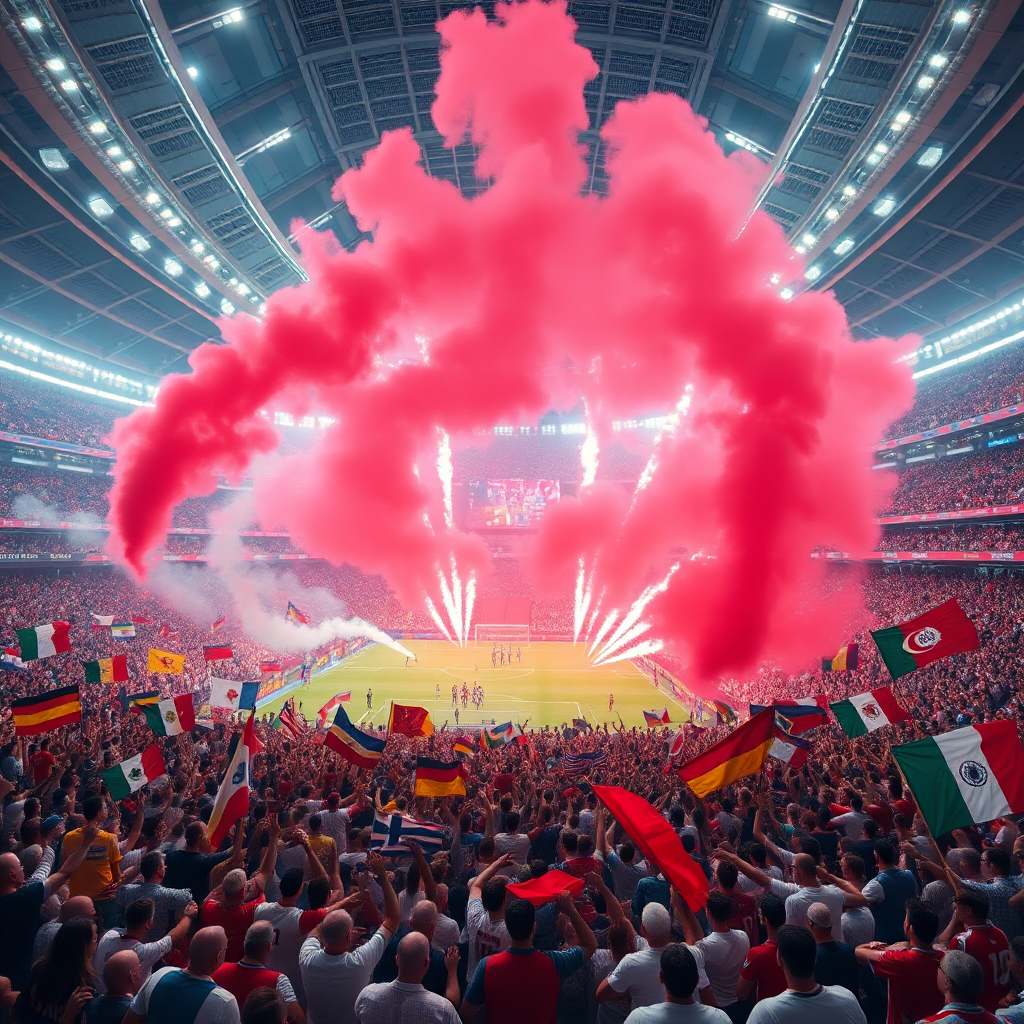 Hình minh hoạ: go99
Evaluating Performance Against Core Tracking Metrics
To compare these pathways systematically, I established five measurement criteria that directly impact the reliability of match-day coverage. Data refresh frequency forms the foundation, since delayed updates can distort substitution records, card accumulations, and injury stoppages. Visual and audio immersion measures how effectively a platform preserves the atmosphere of the stadium through broadcast rights compliance, commentary clarity, and overlay design. Device optimization evaluates whether the interface adapts smoothly to smartphones, tablets, and desktop browsers without triggering excessive cache consumption or background throttling.
Cost transparency represents another essential checkpoint, particularly given how frequently subscription tiers restructure or introduce hidden renewal clauses. Platforms that clearly separate ad-supported access from premium data layers tend to earn more trust over time. Finally, support responsiveness determines how quickly issues get resolved when connectivity drops, data syncs fail, or account verification stalls during high-demand windows. These five metrics collectively form a practical scoring framework that avoids marketing language and focuses on observable performance under match conditions.
Applying this framework requires patience and controlled testing. Rather than jumping to conclusions after a single match day, consistent buyers monitor performance across multiple fixtures, noting which pathways maintain stability when server loads spike and which ones degrade gracefully. The goal is not perfection, but predictable behavior that aligns with your personal tolerance for minor delays versus major disruptions.

Direct Feature Alignment Across Selection Paths
| Evaluation Metric | Official Broadcast Routes | Dedicated Sports Tracking Interfaces | Integrated Live Score Hubs |
|---|---|---|---|
| Data Refresh Frequency | High consistency with official league timing | Variable depending on API aggregation speed | Generally fast, but may throttle during peak traffic |
| Visual and Audio Immersion | Industry-leading production value and stadium audio | Minimal; text and graphic overlays only | Moderate; depends on embedded stream partnerships |
| Device Optimization | Heavy resource usage; requires stable broadband | Lightweight; excels on constrained mobile networks | Balanced; responsive design but variable ad load |
| Cost Transparency | Premium pricing with regional licensing constraints | Often freemium; clear distinction between free and paid tiers | Mixed model; requires careful review of renewal terms |
| Support Responsiveness | Established help desks but longer resolution cycles | Community-driven forums with rapid peer troubleshooting | Varies widely; dependent on platform scale |

Navigating Latency, Fidelity, and Engagement Trade-offs
Understanding how each pathway handles technical friction requires looking beyond surface-level features. Official broadcast routes benefit from dedicated satellite uplinks and fiber-optic distribution networks, which drastically reduce the gap between live action and viewer screens. When an Arsenal counterattack unfolds or a Manchester United pressing trigger activates, the delay rarely exceeds three to five seconds compared to optical stadium feeds. That precision comes at the expense of flexibility, since viewers cannot pause, rewind, or isolate camera angles without accessing archived replays through separate portals.
Dedicated tracking interfaces operate on completely different architectural principles. They pull data from licensed statistical providers, club-approved APIs, and independent match reporters, then synthesize that information into clean dashboards. The advantage lies in customization: you can mute crowd noise, isolate passing networks, track shot conversion rates, and receive haptic alerts for offside checks or VAR reviews. The caution here involves verifying source attribution. Not all aggregators label their data origins transparently, and inconsistent sourcing can lead to conflicting substitution timestamps or inaccurate foul counts during chaotic periods.
Integrated live score hubs occupy a middle ground, often bundling real-time updates with community discussions, prediction markets, and companion entertainment layers. Platforms like those referenced within go99 ecosystem updates frequently emphasize rapid deployment and cross-platform synchronization, making them attractive for supporters who want immediate context without heavy bandwidth consumption. When exploring interactive environments such as game bài GO99 for supplementary match-day engagement, users should prioritize platforms that clearly separate statistical tracking from entertainment features, ensuring that core data remains unaffected by peripheral activities. The prudent approach involves isolating your primary tracking tool from secondary entertainment layers, testing connection stability on both Wi-Fi and cellular networks, and confirming that refund or trial policies are documented before committing recurring payments.

Aligning Your Preference With Proven Usage Patterns
Reaching a decision without overcommitting requires matching your personal viewing habits to the pathways that historically perform best for your category. Statistical analysts and tactical enthusiasts typically benefit most from dedicated tracking interfaces that prioritize metric depth, custom filtering, and exportable data logs. These users usually accept lower visual immersion in exchange for precise possession diagrams, progressive pass chains, and defensive line movement graphs. Testing free access windows first allows you to verify whether the data granularity matches your analytical standards before upgrading to premium layers.
Casual viewers and family-oriented audiences often find official broadcast routes more forgiving, since production teams handle commentary transitions, highlight compilation, and rule explanation automatically. The trade-off involves accepting scheduled availability and regional restrictions, but the payoff is a streamlined experience that does not require constant manual configuration. If you occasionally travel or watch in shared spaces, verifying subtitle availability and audio mixing balance ahead of match day prevents last-minute disruptions.
Mobile-first supporters and community-driven fans frequently gravitate toward integrated hubs that synchronize across devices and enable quick sharing of milestones, predictions, and reaction threads. These pathways reward users who understand how to manage notification settings, limit background data usage, and separate tracking sessions from social interactions. Careful buyers in this segment typically establish a baseline routine: confirm server status before kickoff, disable unnecessary auto-play functions, and retain a backup tracking method in case primary services throttle during sudden traffic spikes.
No single pathway dominates every scenario, and attempting to force one solution into multiple roles usually produces compromise rather than clarity. By mapping your primary objective, verifying performance under realistic conditions, and maintaining a secondary fallback option, you preserve flexibility while minimizing exposure to unexpected service degradation. The Arsenal versus Manchester United fixture will test whichever infrastructure you select, but approaching the match with measured expectations and documented preferences ensures that your viewing experience remains controlled, transparent, and aligned with your actual priorities.

Tin cùng chuyên mục
- Xem video bóng đá mới nhất và highlight trận đấu tại THAPCAMTV: bóc tách tuyên bố quảng cáo bằng tiêu chí kiểm chứng
- Đại Lý xoilactv.casino Chuyên Nghiệp: Giải Pháp Tiện Lợi Hay Rủi Ro Tài Chính?
- QS88vm.com: Tin nóng Ten Hag nguy cơ bị sa thải sau thất bại đậm đêm qua
- Bàn thắng đẹp xe đạp chổng ngược khiến cả khán đài vỡ òa trên 88vbet.de.com
- Tuyên Bố Miễn Trừ Trách Nhiệm socolivetv.group: Những Điều Người Đọc Cần Xác Minh Trước Khi Tin Tưởng
- Bàn thắng đẹp tuyệt phẩm tựa siêu sao của Rodrygo đăng trên win79tq.com