AS Roma Secure Paulo Dybala Stay Despite Interest: A Balanced Review of What It Really Means
AS Roma Secure Paulo Dybala Stay Despite Interest: A Balanced Review of What It Really Means
If you follow football even casually, you have probably spent the last few transfer windows scrolling past conflicting headlines. One day Paulo Dybala is leaving Rome, the next he is staying. One story says he is unsettled, another says he has never been more committed. For fans who just want clarity, for fantasy football managers planning their budgets, and for those who enjoy tracking transfer-market narratives through platforms such as JW88, the whole saga can feel exhausting.
The latest news places Dybala staying at Roma despite repeated interest from other clubs. But what does that really mean in sporting terms? Who benefits, who loses, and is this decision actually good for everyone involved? This review breaks down the situation from several angles, separating useful analysis from noise, and gives you a practical framework for judging whether Roma’s retention of Dybala is a masterstroke or a missed opportunity.
Why This Saga Deserves More Than a Rumor Roundup
Most coverage of player transfers reduces everything to two questions: how much, and who wins the race? Those are understandable instincts, but they miss the layers. Dybala’s situation at Roma always involved more than simple transfer mathematics. He arrived under the glow of a pay-what-it-takes contract at a club rebuilding its identity. His performances have ranged from match-winning brilliance to frustrated anonymity.
The key struggle for an observer is not finding “news”. It is deciding which consequences to care about. That is where this article tries to be different. Instead of delivering another gossip recap, it looks at the concrete impacts on Roma’s squad design, Dybala’s own career arc, the broader commercial logic of keeping a marquee asset, and the expectations of fans who want a return to European prestige.
All four dimensions matter if you are making judgments about the club’s direction. And they lead to a conclusion that is more nuanced than a simple “good news” or “bad news” label.
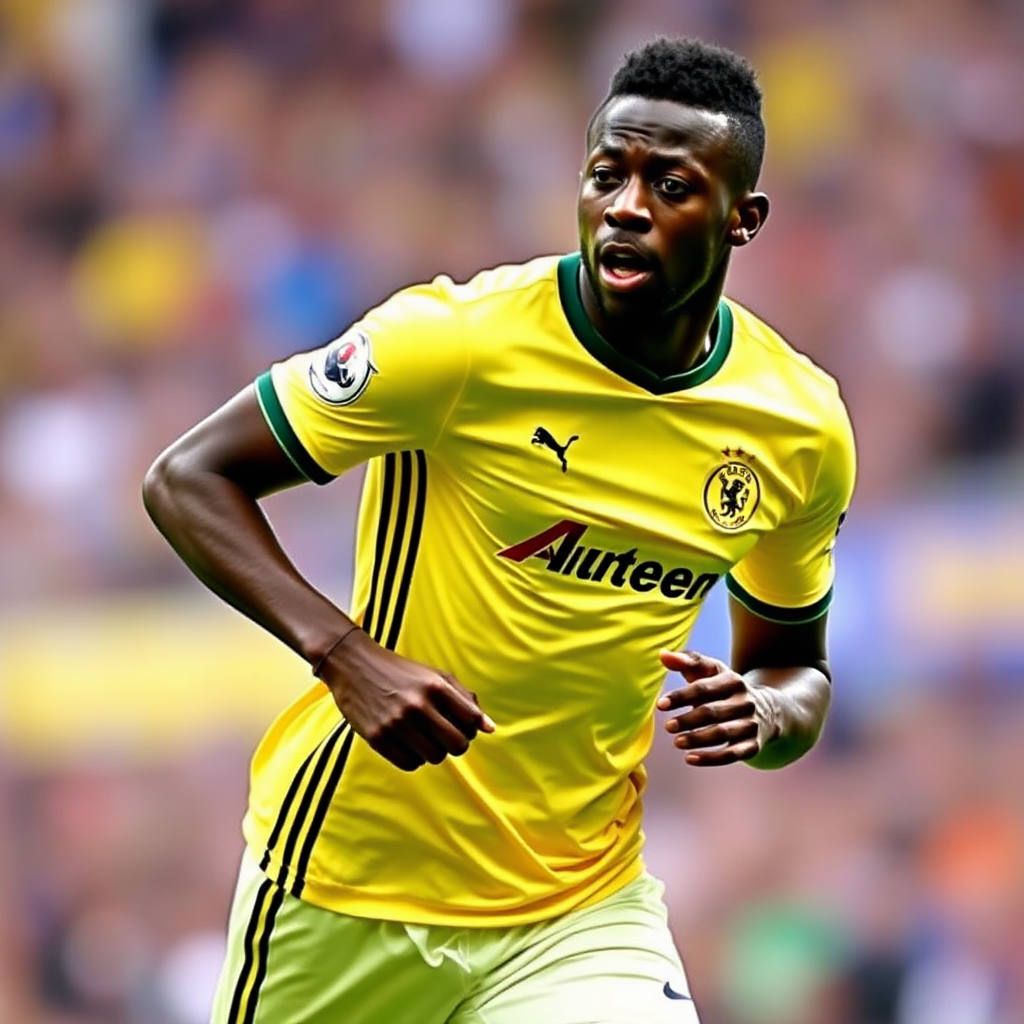 Hình minh hoạ: JW88
The Problem With Transfer Speculation Around Dybala
Let’s start with the problem many readers actually face. When a high-profile player stays at a club despite steady speculation, you can find three conflicting narratives on social media within minutes. One group argues that Roma dodged a bullet by retaining a technically elite player. Another says the club is now stuck with a big wage bill and a player who may have one foot out the door. The third simply follows the emotional angle: Dybala loves Rome, the fans love him, and that should end the debate.
All three narratives carry partial truth. And that is the problem. An uninformed reader can easily mistake one emotional story for the whole picture. A calm, structured review helps you see the trade-offs without letting the loudest voice on Twitter shape your view.

Five Key Findings That Frame the Whole Debate
Before diving into detailed analysis, here are the five most important points that any serious discussion about Roma keeping Dybala should include:
- Sporting continuity is real but not automatic. Keeping a player of Dybala’s ability preserves a familiar attacking structure, but it does not guarantee tactical improvement unless Roma address the deeper weaknesses in squad depth.
- The role of the player is the single biggest variable. Dybala performs at his peak when he is the creative focal point. If Roma’s next manager builds a system around a different identity, his value can drop unexpectedly.
- The financial argument cuts both ways. A high-value transfer can bring an influx of transfer funds, but letting a star go also signals a less ambitious project. Keeping him protects the brand while testing the wage structure.
- Fan sentiment is a double-edged sword. The emotional bond between Dybala and the Roma supporters is real, but decisions made for romantic reasons can undermine a long-term sporting project if not balanced with rational squad planning.
- External attention will not disappear. Interest from other clubs rarely vanishes completely after one transfer window. Roma and Dybala will likely face similar questions again, which means the club must have a clear internal policy about how to handle such narratives.

Understanding the Context Behind the Stay
To judge this decision fairly, you have to remember where Roma stood when Dybala joined. The club had just won a European trophy, but it was still rebuilding credibility after several chaotic seasons. Dybala represented a statement of intent. He was not bought as a marginal squad piece; he was brought in to add imagination and marketability.
Now, several seasons later, Roma has experienced moments of genuine brilliance and periods of instability. Coaching changes, inconsistent league form, and the challenge of competing against better-resourced Italian clubs have created an environment where every single squad decision becomes a referendum on the club’s direction.
Keeping Dybala therefore reads as a commitment to stability rather than disruption. But it also raises uncomfortable questions about whether the club is making decisions based on player value or based on fear of admitting that the project needs a different shape.

What Roma Gains by Keeping Dybala
Let’s give the decision its due. Dybala is not a marginal player. He has consistently produced moments of individual excellence that alter matches. For a club like Roma, which cannot always dominate games through sheer squad depth, having one player who can unlock a low-block defense is a genuine competitive advantage.
There is also a less obvious but equally important benefit: symbolic value. Roma is a globally recognized club, yet it often competes for attention against wealthier and more decorated rivals. Retaining a player of Dybala’s international profile signals to sponsors and commercial partners that the club is not desperate to sell its best assets. That message matters in football’s modern financial ecosystem.
From a pure performance standpoint, the continuity of a familiar attacking relationship with other forwards cannot be underestimated. New players need time to develop automatic understanding. Dybala already has that chemistry with some teammates. Removing him now would have forced another adjustment period onto an already unsettled attack.
What Roma Risks by Keeping Him
Now, the counter-argument. The most honest criticism of this decision is that it positions Roma to maintain the status quo rather than evolve. There was a credible argument that selling a big asset at the peak of his value could fund multiple additions in areas where the club is far weaker.
That strategy has worked for several European clubs. It requires discipline and courage, and it is never popular in the short term because fans hate seeing talent leave. But football history is full of clubs that regretted holding onto players for one season too long and watched their transfer value collapse due to age or injury.
There is also a tactical consideration. Dybala remains a player who thrives in certain setups. He is not a pressing monster, and he is not a wide player who will stretch opposition defenses. If Roma’s next project demands a faster, more aggressive shape, keeping a player who cannot contribute fully to that system can actually hurt the long-term plan even if his individual quality is never questioned.
How the Decision Affects Dybala’s Own Career
Dybala himself is rarely assessed as the protagonist in these stories. That is a mistake. Footballers do not exist solely to serve clubs. Dybala’s own ambitions at this stage of his career matter enormously.
He is at an age where trophies and playing time become more important than they were in his younger years. Staying at Roma offers him everything he already knows: adoration, playing time, and the freedom to express himself. What it may not offer is the guarantee of competing for a major domestic or continental title on a seasonal basis. If his personal priority is silverware, he must have weighed that carefully.
One plausible reading is that Dybala values his comfort and status in Rome above the uncertainty of a move to a more competitive league where his role would be less central. That interpretation is neither a criticism nor a praise. It is simply a rational explanation of the trade-off. And it matters because his motivation over the coming season will determine whether Roma truly benefits from the decision.
Who This Decision Fits Best
Not everyone should be equally happy about Dybala staying at Roma. The decision produces very different outcomes depending on who you are and what you care about. Let’s break it down honestly.
Roma supporters who value identity and loyalty
For this group, keeping Dybala is close to ideal. He is a player who represents flair and commitment. He gives fans a reason to believe in the romantic side of football. If your emotional attachment to the club is stronger than your desire for cold efficiency, this decision feels right.
Neutrals who follow European football for entertainment
Neutrals also benefit because Dybala is a more entertaining player than the average replacement Roma could have signed. Watching him navigate tight spaces and produce unexpected passes is aesthetically pleasing. His presence keeps Roma competitive in the “must-watch” category even when the club is not topping the table.
Fantasy managers and match-attack analysts
If you participate in football prediction or attack-oriented analysis, a settled Dybala is a useful reference point. His role becomes more predictable in statistical models because you are no longer projecting his replacement upside. This is where platforms offering match-related entertainment have practical value. For those interested in wider sports-prediction offerings, sections like XỔ SỐ JW88 can be considered as one of the options for additional engagement — though responsible participation should always be the rule.
Who Should Be More Skeptical
A balanced review cannot avoid naming the groups for whom this news is less positive. If you fall into any of these categories, you should examine your own assumptions rather than simply celebrating the announcement.
Fans who want a squad revolution
If you believe Roma’s problem is systemic, that the squad needs more athleticism and a younger profile, then keeping Dybala can feel like keeping a beautiful piece of furniture in a house that needs a new roof. The position of the club remains comfortable enough to avoid hard decisions, and that comfort might be the very thing holding the project back.
Investors and financial observers
From a commercial perspective, a major transfer sale offers immediate revenue that can address financial fair play concerns. Roma has sophisticated financial structures, but anyone following the club’s accounts knows that retaining a high-wage player without a clear competitive return carries opportunity cost. If the club fails to achieve its sporting targets, this decision will be re-evaluated harshly.
Coaches who prefer a system over a star
Managers who build tactics around positional rotations and a rigid pressing framework often find a player like Dybala difficult to include without making concessions. He is not a useful pawn in a system that treats everyone equally. He is a specialist, and specialists require specialized planning. If Roma appoints a coach who values universal discipline over individual brilliance, the Dybala fit could turn sour quickly.
Comparing the Two Paths: Retention vs. Transfer
The table below offers a practical comparison between keeping Dybala and selling him at his current market interest. This is not a recommendation of one path, but a framework for thinking through the trade-offs.
| Dimension | Path A: Keep Dybala | Path B: Sell and Reinvest |
|---|---|---|
| Squad creativity | Instantly preserved at a high level | Depends heavily on how the funds are spent |
| Financial liquidity | No immediate transfer income; wage commitment stays | Frees up cash and wage room |
| Message to the market | Roma is building, not selling | Roma makes smart financial moves even if unpopular |
| Tactical flexibility | Reduced; you must build around a specialist | Greater freedom to change style |
| Risk profile | Risk of declining transfer value if form dips | Risk of wasting funds on inadequate replacements |
The Smartest Way to Follow This Story Going Forward
The biggest danger for a fan or analyst is assuming that this decision is permanent. Transfer situations in modern football are rarely static. The next window, the next manager, and the next poor result can all reignite the departure narrative.
So what should you actually do with this information? The following steps are worth applying if you want to evaluate the situation intelligently across an entire season.
- Ignore single match reactions. One brilliant Dybala performance will trigger “he must stay forever” takes. One bad game will trigger the opposite. Look for trends over at least ten matches.
- Track Roma’s tactical identity. The new coach’s style will reveal more about Dybala’s true place in the project than any official club statement.
- Watch how the club uses him in the big matches. If Roma trusts him in the most intense games, his value to the squad is clear. If he is rotated out of important fixtures, the internal assessment may be more complex.
- Monitor the commercial news. New sponsorship announcements or a renewed club push for European competitions will indicate that the board intends to justify Dybala’s retention by meeting clear targets.
- Set personal limits for any kind of sports wagering. If you are interested in betting or entertainment platforms that cover football events or related number-based games, treat every wager as a controlled activity. Define your bankroll, set a loss limit, and never chase losing positions.
Practical Guidance for Making Up Your Own Mind
Because the topic is surrounded by emotional hype, you need reliable filters when reading future coverage. Start by refusing to accept any report that claims to know a player’s intentions with absolute certainty.
Instead, ask three questions. Does the report quote the player or his inner circle? Does the club have a financial incentive to spread positive news? And does the timing of the story align with an important match, contract negotiation, or agency objective? These filters will not tell you the ground truth in every case, but they will sharpen your judgment.
Another useful habit is to evaluate Roma’s statements and Dybala’s actions rather than headlines. A commitment on the pitch — consistent effort, disciplined behavior, visible chemistry with teammates — is stronger evidence of alignment than a strong quote in a press conference.
If you follow those habits, you are already ahead of the majority of people who share transfer opinions online.
Frequently Asked Questions
Below are four short answers to questions that keep appearing in public discussions about this situation.
Does keeping Paulo Dybala mathematically improve Roma’s title chances?
Not automatically. Individual quality lifts a team’s ceiling, but title challenges require reliable squad depth. Roma still needs the rest of the squad to deliver at a consistent level before there is any serious promise of lifting a major domestic trophy.
Is Paulo Dybala being difficult by staying?
There is no evidence of that at all. Players have the right to make career choices that suit their own family life, sporting ambition and comfort. Staying does not make him stubborn, just as leaving would not make him disloyal.
What is the main risk in this decision?
The main risk is stagnation. If Roma uses this positive announcement as a substitute for further squad improvements, it could win the story and lose the season. Fans should see extra transfer activities as the real test.
Should casual fans expect an immediate improvement?
No. Football performance depends on many variables. Dybala staying stabilizes one area, but it does not repair the defense, improve the goalkeeper situation or fix the midfield balance. Those problems remain regardless of who wears the number 10 shirt.
The Conditional Verdict
At this point in the story, Roma securing Paulo Dybala’s stay despite outside interest is neither an unqualified triumph nor a strategic error. It is a decision that will be judged entirely on what happens next.
If Roma builds on this continuity by adding complementary players, defines a tactical system that highlights Dybala’s strengths, and turns his presence into a competitive advantage in both the domestic campaign and European competition, then this moment will be remembered as the foundation of a successful push. If the club treats the announcement itself as the achievement, then the saga will eventually be seen as a symptom of misplaced priorities.
For Dybala, the same conditional logic applies. If he responds to the loyalty shown to him by delivering his most consistent season in a Roma shirt, he strengthens his legacy and settles all debates about his motivation. If injuries or tactical mismatches limit him, then every future transfer rumor will return with even greater force.
The verdict, therefore, is still out. The wisest attitude is to remain observant rather than complacent. Watch Roma’s next few moves in the transfer business, watch how the team shapes up under its new coaching approach, and, above all, watch Dybala himself. Football has a way of turning romantic announcements into either nostalgia or redemption. The difference is always in the performance that follows, nothing else.

Tin cùng chuyên mục
- on6868.com Classic Fruit Slots and Retro Casino Games: A UX-Focused Review
- Liverpool vs Man City Lineups on tipclub.email: Predicted XIs
- Hull vs Everton Preview: Tactical Chess Match Analysis
- Evaluating the Platform Experience Behind Guimaraes Sub Winner on llwinedu.com: Arsenal Win
- Risk Assessment Guide: Leverkusen at Mainz Market on llwingg.com
- Reviewing the Serie A Wrap Experience: Usability, Speed, and Transparency Tested